KAYAK & SUP · CONNECTED WORKFLOW
A multi-state paddlecraft network built around scan, unlock and return
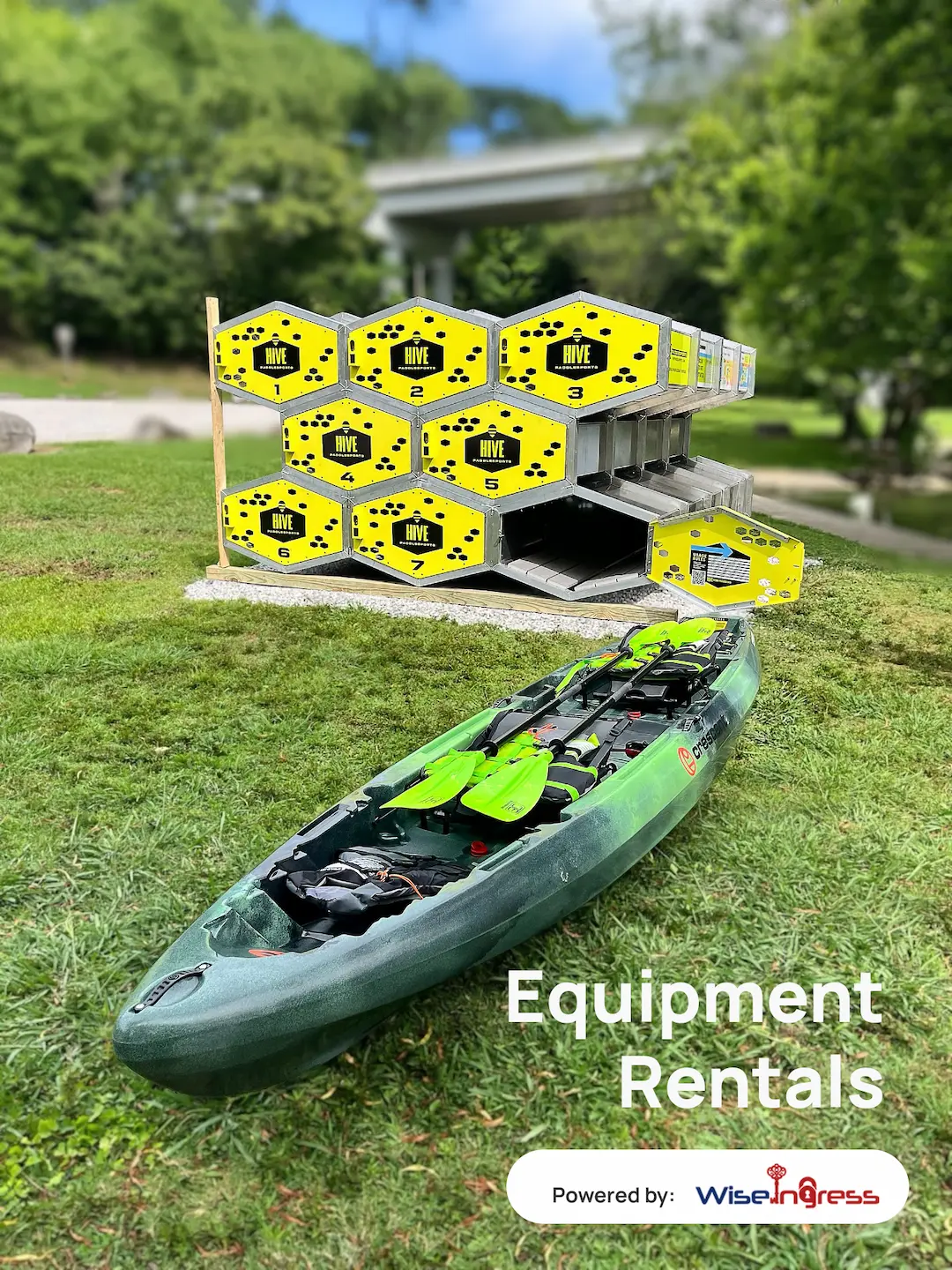
Hive Paddle Sports shows how a tailored booking layer, access middleware and outdoor locks can become a repeatable waterside kiosk format.
Relationship disclosure: Rafael Frankow works with igloohome in a sales-consulting capacity. The source may include igloohome material; this case is not an independent product test or endorsement.
Repeating the paddle kiosk across locations
Multi-state US paddlecraft network in the supplier account. Current states, kiosk count and fleet size need operator confirmation.
The repeatable kiosk removes a separate waterside handover at each booking while preserving central reservation and asset allocation.
A repeatable three-step journey
The customer scans to book and pay, receives a unique access code, removes the allocated paddlecraft and returns it to the secured station after use. The simple front end depends on synchronisation between reservation, asset status and physical access.
What each layer does
WiseIngress built the mobile booking and automation layer and connects it to igloohome Smart Padlock 2 hardware. The published platform description includes real-time reservations, multi-location management and equipment status tracking.
Making it work on site
WiseIngress connects the booking layer to igloohome hardware. Site permission, racks, equipment labels and a local recovery contact remain necessary even when locks accept offline PINs.
Scanning, paying and receiving a code are online steps. Offer advance booking and saved instructions where waterfront mobile coverage is poor.
Costs, upkeep and the takeaway
A common technology stack may reduce repeated setup work. It does not remove travel between states, local servicing, damage losses or support coverage.
Standardise the customer journey, but cost and test the support route at each location.