OPERATOR STORY · PUBLIC-SOURCE CASE
How a front-lawn rental became a distributed trailer network
Empire Trailer Hire illustrates a different scaling model: place equipment at partner locations while centralising bookings, payments, access and support.
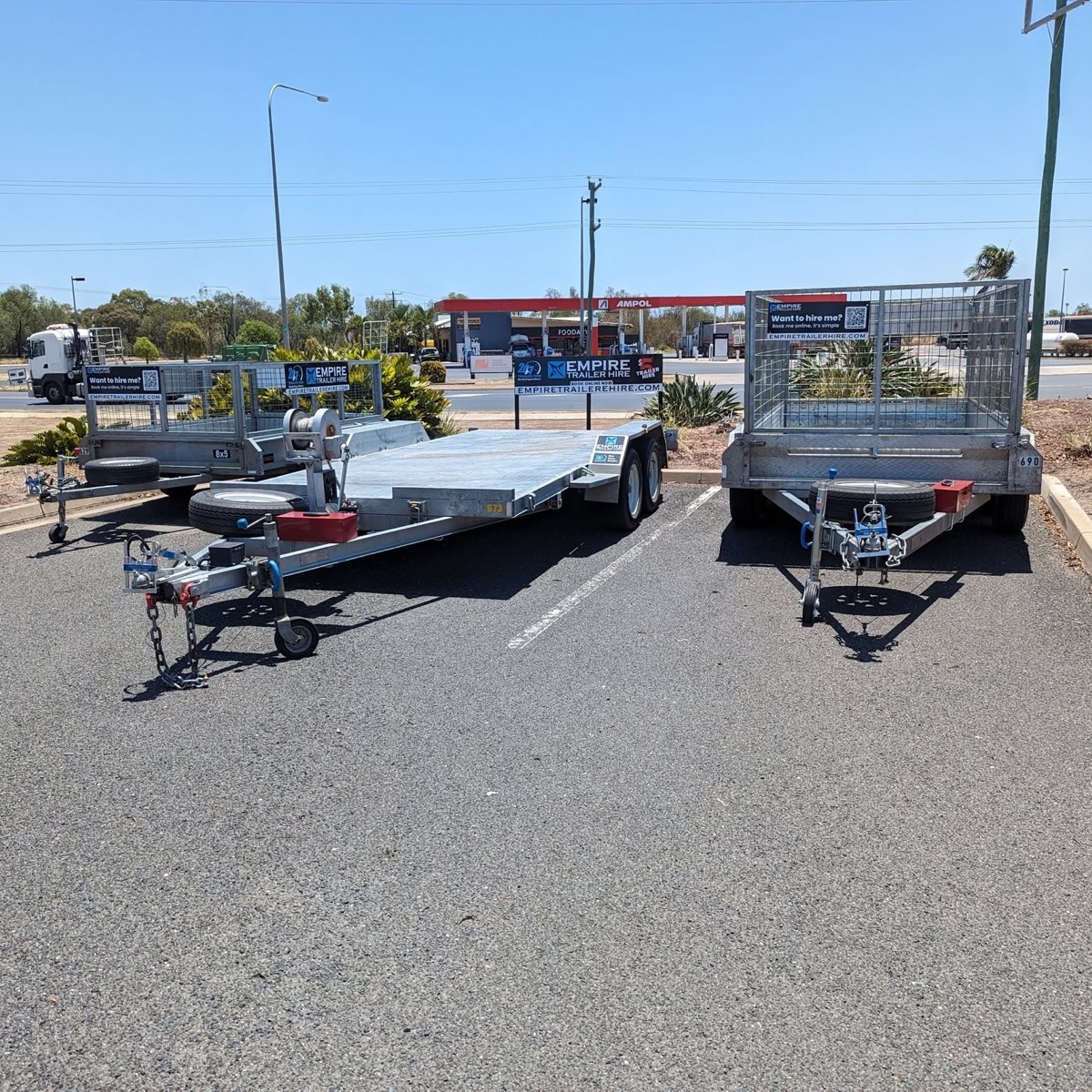
Trailer hire across partner locations
Queensland, Australia. Published fleet/site counts differ between sources; no current network total is asserted.
Distributed pickup points make a staffed desk at every location expensive. The operational opportunity is serving each site without repeating that desk.
The operating model
The business began with a small local fleet and expanded through partner sites rather than relying only on one traditional depot. Customers can book, pay and collect through a self-service journey while Empire manages the equipment and support centrally.
Why partner locations matter
A distributed model can bring equipment closer to demand and use the visibility of established local businesses. It also creates new questions around servicing routes, standards, asset movement and responsibility at each location.
The number needs a label
Lockii’s current story reports 200 trailers and 30 locations. Empire’s own website currently uses a lower fleet figure. This prototype deliberately avoids presenting one number as settled fact and demonstrates why every technology profile and field report needs a dated verification trail.
Making it work on site
Partner parking, visible trailer IDs, an access device and a service route must work together. Do not assume every site has the same power, connectivity or lock configuration.
The customer must find the correct partner site and allocated trailer. Test arrival directions, ID steps, code delivery and return photographs as one mobile journey.
Costs, upkeep and the takeaway
Assess each location separately: bookings, host fee, travel distance and support incidents. A larger fleet can increase service mileage as well as revenue.
Network scale is an operating-route question, not simply a trailer count.